
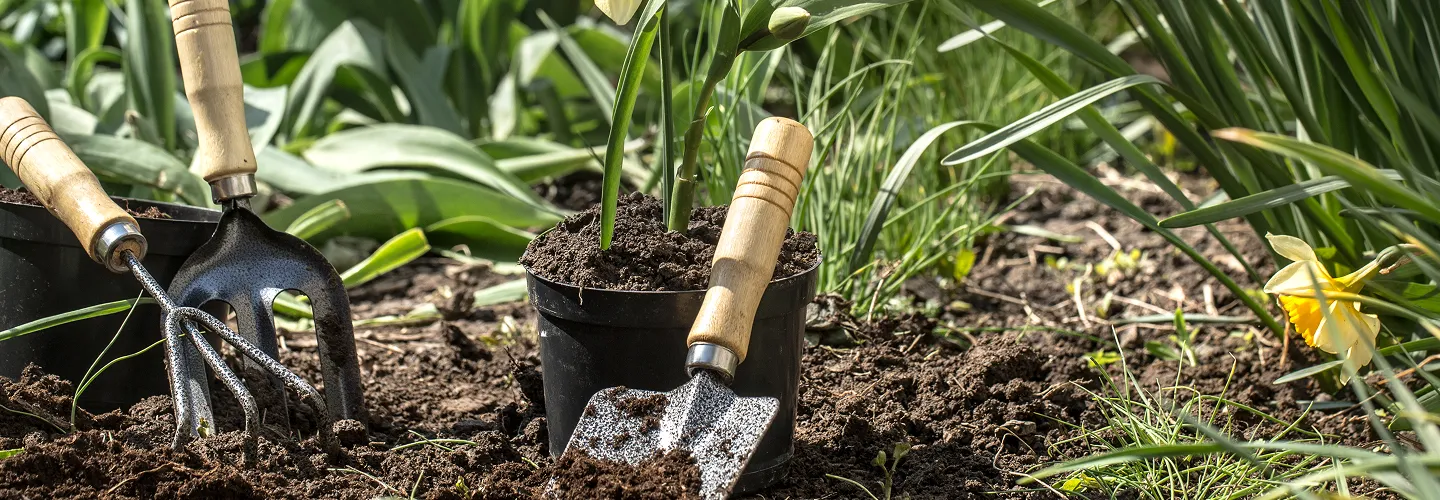
Hudson Bend Lawn Installation Services
Choose our expert lawn installation for a seamless, hassle-free transformation—enjoy a vibrant, healthy yard that boosts your home’s beauty and value from day one.
Get a Free QuoteOur Hudson Bend Landscaping & Yard Care Services
When to Schedule Lawn Installation in Hudson Bend, Texas – Seasonal Guide
In Hudson Bend, Texas, timing your lawn installation is crucial for long-term success due to the area’s unique blend of Hill Country climate and local environmental factors. The best periods for establishing new turf are typically late spring and early fall, when soil temperatures are warm enough to encourage root growth but the risk of extreme heat or unexpected frost is minimal. Neighborhoods near Lake Travis, such as The Reserve and Waterside Oaks, often experience microclimates that can influence the ideal installation window, especially in areas with more shade or proximity to water.
Local considerations like the region’s alkaline soils, periodic drought conditions, and variable humidity levels all play a role in determining the best time for lawn installation. Homeowners should also be aware of municipal watering restrictions and the impact of tree canopy coverage, which can affect both sunlight and moisture retention. For more information on local guidelines and environmental resources, visit the Sudbury municipal site.
Local Factors to Consider for Lawn Installation in Hudson Bend
- Tree density and shade coverage, especially in neighborhoods like Apache Shores
- Soil composition and drainage, which can vary between lakeside and inland properties
- Seasonal precipitation patterns and drought risk
- Terrain slope and potential for runoff
- Municipal watering restrictions and local ordinances
- Proximity to landmarks such as Lake Travis, which can affect humidity and microclimate
Benefits of Lawn Installation in Hudson Bend
Expert Landscaping Services
Customized Lawn Solutions
Efficient Project Completion
Premium Quality Sod and Seed
Enhanced Curb Appeal
Sustainable Lawn Practices
Hudson Bend Lawn Installation Types

Sod Installation
-
Hydroseeding
-
Artificial Turf Installation
-
Native Grass Planting
-
Zoysia Grass Installation
-
Bermuda Grass Installation
-
St. Augustine Grass Installation
Our Lawn Installation Process
Site Evaluation
Soil Preparation
Lawn Installation
Watering and Initial Care
Why Choose Hudson Bend Landscape Services
-
Hudson Bend Homeowners Trust Us
-
Expert Lawn Maintenance
-
Reliable Scheduling
-
Competitive Pricing
-
Professional Team
-
Satisfaction Guarantee
-
Personalized Service
Soil Series and Drainage Considerations for Lawn Installation in Hudson Bend
Lawn installation in Hudson Bend requires careful assessment of local soil series, which predominantly include Houston Black clay and Branyon clay loam, as identified by the USDA Web Soil Survey. These soils are characterized by high clay content, pH levels ranging from 7.5 to 8.2, and poor to moderate drainage, often resulting in seasonal water retention at depths of 12-18 inches. For optimal turf establishment, core aeration to a depth of 2-3 inches is recommended, with compost incorporation at 2-3 inches tilled to a 6-inch depth. Soil testing is available through Texas A&M AgriLife Extension for a typical fee of $15-25. Amendments such as lime or sulfur should be applied based on test results to maintain a pH between 6.0 and 7.0. These practices help ensure healthy root development and compliance with local standards.
Seasonal Timing and Climate Zone Guidance for Hudson Bend Turf Establishment
Hudson Bend is situated in USDA Hardiness Zone 8b, with average annual minimum temperatures of 15-20°F. The optimal window for cool-season grass seeding is September 15 to October 31, when soil temperatures range from 60-75°F. Warm-season sod installation is best performed from April 1 to June 15, avoiding the peak summer heat. The National Weather Service Austin/San Antonio Office provides up-to-date forecasts to guide timing decisions. Key timing recommendations include:
- Spring seeding: April 15 - May 30 (soil temp 60-70°F)
- Fall seeding: September 15 - October 31 (soil temp 60-75°F)
- Avoid installation during July-August due to heat stress risk Proper timing reduces water demand and increases establishment success, supporting municipal water conservation goals.
Municipal Coordination and Lawn Installation Permitting in Hudson Bend
All lawn installation projects in Hudson Bend must comply with local ordinances regarding construction hours, site disturbance, and stormwater management. Equipment operation is permitted:
- Monday-Friday: 7:00 AM - 7:00 PM
- Saturday: 8:00 AM - 6:00 PM
- Sunday and holidays: Prohibited Permits are required for significant grading or soil disturbance exceeding 5,000 square feet, with a standard application fee of $75 and a review period of 7-10 business days. Erosion control measures, such as silt fencing and 25-foot buffer zones from wetlands, are mandated under the city’s MS4 permit and the Clean Water Act. For guidance on permitting and compliance, contact:
City of Austin Transportation & Public Works
505 Barton Springs Road, Austin, TX 78704
Phone: (512) 974-7065
Official Website: City of Austin Transportation & Public Works
Environmental Compliance: Stormwater, Buffer Zones, and State Regulations
Lawn installation in Hudson Bend must adhere to state and federal environmental regulations, including the Texas Water Code and the Clean Water Act. The Texas Commission on Environmental Quality (TCEQ) enforces MS4 stormwater requirements, prohibiting the discharge of soil, sod, or fertilizer into storm drains. Key compliance steps include:
- Maintain a 25-foot no-disturbance buffer from wetlands and streams
- Prohibit fertilizer application within 50 feet of water bodies
- Use biodegradable erosion control materials
- Schedule debris removal on Thursdays (April-November) using 32-gallon bins or biodegradable bags For technical assistance, consult:
Texas Commission on Environmental Quality
12100 Park 35 Circle, Austin, TX 78753
Phone: (512) 239-1000
Official Website: Texas Commission on Environmental Quality
Professional Standards and Safety Protocols for Lawn Installation in Hudson Bend
Professional lawn installation in Hudson Bend requires adherence to municipal safety standards and equipment protocols. All operators must use commercial-grade 4-stroke mowers, with blades sharpened every 20-25 hours of use. Personal protective equipment (PPE) is mandatory:
- Eye protection: ANSI Z87.1 safety glasses
- Hearing protection: Earmuffs or plugs for 85+ dB noise
- Footwear: Steel-toed boots with non-slip soles
- Gloves: Cut-resistant for sod handling Maintain a 15-foot clearance from overhead utilities and a 50-foot setback from property lines in accordance with city zoning. For further information on safety and standards, contact:
Austin Zoning and Platting Commission
301 W 2nd Street, Austin, TX 78701
Phone: (512) 974-2681
Official Website: Austin Zoning and Platting Commission
What Neighborhoods Do We Serve Throughout Hudson Bend, TX?
- Lake Travis Waterfront: Features heavy clay soils with moderate drainage and frequent slope challenges, requiring erosion control and specialized turf selection for lakeside properties.
- Hudson Bend Colony: Characterized by mature tree cover and compacted soils, necessitating core aeration and careful grading to prevent runoff into adjacent greenbelts.
- Siesta Shores: Proximity to Lake Travis and floodplain areas demands strict adherence to buffer zone regulations and stormwater management during installation.
- Briarcliff: Larger lots with mixed soil profiles and HOA landscaping standards, requiring compliance with both municipal and association guidelines.
- Mountain View: Elevated terrain with shallow, rocky soils and limited topsoil depth, presenting unique challenges for turf establishment and irrigation.
- Comanche Trail: Dense residential development with narrow access points and underground utilities, necessitating careful equipment operation and adherence to city noise ordinances.
- Apache Shores: Varied lot sizes and proximity to protected woodlands, requiring special attention to conservation area setbacks and native species selection.